|
| |
We here at Healthy Kitchens are concerned about today's food supply and how it affects our families' health. This blog will be devoted to increasing awareness to all our readers about how to increase the nutritional content of the food that we feed our families daily. We don't want to make it harder, so we have some great ideas on how to do this much easier with the use of some great tips and tricks. We hope to have some great suggestions, recipes, nutritional information etc. that you all can use. Please feel free to email us back with your comments and we will answer your questions and concerns or just add them to the posts. |
|
Pizza Toppings 101 |
Friday, May 10, 2013 |
MAKING LIGHT, HEALTHIER PIZZA - THE TOPPINGS
Pizza is everyone's favorite but usually they are not the healthiest food to eat. Really you can add anything to a pizza including healthier choices like vegetables, but its is the cheese and the fatty meats that we normally add that pile on the calories and cholesterol. We have a few suggestions for making healthier pizzas that everyone in the family will love and you will know that you are getting good nutrition while at the same time enjoying the pleasure of pizza-eating. We much prefer lighter pizzas, especially in the summertime. A summertime pizza is a lighter pizza made with fresh vegetables, fewer toppings, and a crispy crust. We have included the recipe for the summertime pizza below.
The Sauce: Most of us are familiar with the regular tomato based or marinara sauce that is usually used on the classic pizza, but you can choose to use a different kind of sauce if you want to spice up your family life a little. A white sauce made from Greek style yogurt and package French onion dip is really good and we personally like using barbeque sauce mixture that we like on our favorite Barbeque Chicken Pizza. You can even leave the sauce off altogether and just brush your crust with olive oil which will prevent if from drying out in the baking process. For the tomato sauce you can use a canned tomato-base pasta sauce as your pizza sauce but really it is easy to make your own. That way you know what you are eating and that there are no preservatives or unwanted salts added.. We have posted the recipe for homemade pizza sauce made from Roma tomatoes. You can peel and seed them to begin but we like to cook them with the peels and seeds and then but them through a strainer like the hand operated Victorio Strainer or even the Berry Press Attachment for the Bosch Universal Plus which will take all the seeds and skins out and make a nice smooth sauce. If you do remove the skins and seeds by hand and omit the olive oil, you can also use this recipe as a Salsa.
Tomato Sauce for Pizza or Pasta
2 to 3 cups peeled and seeded Roma tomatoes
1/4 teaspoon freshly ground black pepper
1/4 teaspoon salt or to taste
1/2 teaspoon granulated sugar
1 large garlic clove, crushed
1 teaspoon crushed, dried oregano or a tablespoon of fresh
1 teaspoon dried basil leaves or two teaspoons fresh
2 tablespoons olive oil
Directions - Chop the seeded tomatoes in a food processor or blender. Cook the tomatoes along with the seasonings and sugar for ten minutes or until it starts to thicken, stirring frequently. Add the olive oil. Let cool.
Parmesan, Basil, and Tomato Summertime Pizza
5 tablespoons French onion dip
1/2 teaspoon crushed oregano
5 medium-sized red and yellow tomatoes
2 tablespoons fresh basil leaves snipped into pieces
1/4 teaspoon salt or to taste
1/8 teaspoon coarse ground pepper
2 teaspoons virgin olive oil
1/2 cup freshly grated parmesan cheese
Directions Preheat the oven to 450 degrees.
- After letting your pizza crust rise for 10 minutes, spread the onion dip on the crust. Sprinkle the oregano evenly over the onion dip.
- Cut the tomatoes into quarter-inch thick slices. Lay them on paper towels as you cut them to soak up part of the juice.
- Layer the tomatoes on the crust. Sprinkle with salt and pepper.
- Sprinkle the freshly cut basil over the tomatoes and drizzle with olive oil. Spread the parmesan cheese over the tomato slices.
- Bake for 15 minutes or until the cheese is melted and bubbly and the crust is golden brown. Serve hot.
The Veggies: It’s amazing what you can put on a pizza. You can serve many of your favorite garden vegetables on a pizza, everything from tomatoes to potatoes and broccoli to beans. Some may seem a little strange but if you like the veggies, chances are—you’ll like them on a pizza. We rather fancy a zucchini pizza made with the white sauce , garden fresh zucchini, a few onions, and green pepper. If the kids are a little wary of the vegetables you can hide them by grating them into the sauce or cutting them fine enough that they don't find them on the pizza. Your veggies are usually placed on a base, often a marinara sauce. It doesn’t have to be a red sauce. White pizzas are made with either a white sauce like Alfredo or simply a nice coating of olive oil. You need enough that your pizza is not dry but no more, especially if you want a crispy crust.
The Meat: Our men and boys in the family love meat on the pizza! We try to give them what they want but instead of using the high fat sausages and ham, we choose lean ground beef or ground turkey that has been cooked and the fat drained off before adding to the pizza. You can also use cooked chicken as we do in our Barbeque Chicken Pizza recipe.
The Cheese: What is pizza without the cheese? To reduce the calories and fats from the cheese try using a low fat cheddar mixed with a skim milk mozzarella. If you grate the cheese are the fine setting you can get a better coverage of the pizza with less cheese. Some pizzas are baked without the cheese until the last 2 min. when a light skiff of cheese is added and the pizza popped back in the oven to bake for a couple more minutes to let the cheese melt.
Baking: Pizzas are baked in a hot oven up to 500 degrees F. If using a pizza stone put the stone in the oven about 15 min. prior to baking, to allow it to heat up to the maximum temperature. Transferring the pizza from the peel (or flat cookie sheet) to the stone is made easier with the addition of corn meal on the peel before shaping the pizza. The corn meal allows it to slip on and off easier. Bake only 10 to 15 min. or until the cheese is bubbly and starts to turn brown or the edges of the crust in browning. If you want a crisper crust, pre-bake the crust about 8 min. before adding the toppings and then bake another 10 min. with the toppings.
Baker’s tip: If you are not going to serve your pizza immediately, place the pizza on a wire rack. A hot pizza left on the pan or cutting board will sweat and make the crust soggy.
Our next post will teach you how to grill a pizza on the barbeque. |
posted by Carol or Pam Stiles at 6:32 am - 0 comments |
|
|
Make Your Own Pizza!! |
Friday, April 26, 2013 |
The World's Best Pizza - and You Made it Yourself!.jpg)
We just love pizza, but all the fat and calories and just all the wonderful tasting goodies we put on pizzas usually just add to our waistlines. We thought that you may like to know how to make your own pizzas with a healthier crust, better toppings and less calories and fat. Mind you we will use some skim milk mozzarella cheese but there are other things that go great on pizza too. We were amazed at the Eastern European pizzas that were so inexpensive but were very thin and had some interesting topping like corn. It just goes to show you can put anything on a pizza. A pizza made at home should be better than a commercial pizza. You get it fresh from the oven made with fresh ingredients and the combination of ingredients that you want, on a homemade crust, and with the care that is not possible commercially.
Let's Start at the Bottom - The Crust - We always make our crust our of fresh ground whole wheat flour but many other kinds of grain can be used to make the crust. The fresh milled flour give the crust more flavour and lots of fibre and nutrition. We mill the flour fresh with the Nutrimill grain mill and then use the Bosch Universal Plus with the dough hook to do the kneading. If you are doing a small amount of dough you can also use the Bosch Mini-dough hook in your Slicer/Shredder Bowl to knead it. Here is our favorite Whole Wheat Pizza Dough recipe that makes a nice chewy crust if you make it roll it thick or a crisper crust if you roll it thinner. You could also try this really quick pizza dough made with yogurt.
Quick and Easy Pizza Dough - In the Bosch mixer with the dough hook, mix 1 cup of flour with 2 tsp. baking powder and 1 cup of plain yogurt. Knead on speed one for 5 min. Once the dough is prepared, roll out thinly ( use the flour on the counter and the rolling pin) and let rest for 15 min. Top with your favorite topping and bake for 15 to 20 min. at 425 degrees F. You can make this recipe with all-purpose flour, whole wheat flour or 50/50 mix of both.
More about the Pizza Dough - We wanted a nice crisp pizza crust, one that would almost melt in our mouths—crisp almost like a nice cracker. We knew that would take a thin crust and high heat with very little rising of the dough once the crust was formed. We would have liked to have loaded the crust with toppings before baking; to bake the crust and cook the toppings together. We couldn’t. We found that baking the crust with the toppings always compromised the crust; it was never as crispy as we liked. So we like to prebake the crust and cook the toppings separately. We added the toppings to the crust and returned the pizza to the oven for only five minutes, just long enough to melt the cheese. Then we had a pizza with a nice crispy crust. We found that if you put some corn meal on your pan before you put the prepared dough, that your pizza will have more crisp as well.
To form a uniform, thin pizza crust, the dough must be soft and pliable with minimal spring back. Commercial pizzas are made with a dough relaxer to reduce spring back but to make a thin crust in your kitchen, you can make do with a relatively low protein flour—it’s the protein that forms the gluten which creates elasticity. If you want you pizza to be thicker and more airy, then use you hands to stretch the dough out on your pan. Your fingers don't press the dough as thin as a roller and will leave the dough puffier.
Pizza Crust Tricks and Tips
But there are tricks to the technique that will make that pizza truly wonderful.
• A great pizza must have a great crust. A soggy crust will never do. Instead of piling the goodies on the uncooked dough, partially bake it first. Usually about eight minutes will do. Then pull it out of the oven, put the toppings on, and finish baking. If you have a hole-y pizza pan that lets the heat through you can roll the dough right out on it and add the topping immediately.
• Don’t under bake the crust. The crust is done when the bottom is partially browned. Use a spatula or tongs to lift one edge and peek at the crust.
• Never use a light-coloured pan for baking a pizza. It will reflect the heat and you will have a hard time baking the crust thoroughly.
• A baking stone will help bake the crust. Put the baking stone in the oven at least fifteen minutes ahead of the pizza. We like to bake our pizzas on a dark baking pan placed on top of the hot stone.
• Place the pizza low in the oven where radiant heat from the heating elements will help bake the crust.
• If you have trouble forming the pizza crust, the gluten may be the problem. Gluten gives the dough elasticity and a tight dough wants to spring back into shape. Partially shape the crust then let it rest and walk away for five to ten minutes. When you get back, the dough will have relaxed and you can finish the crust.
• A pizza crust of uniform thickness is a better crust. If you are not adept at spinning the crust, roll it to a uniform thickness of about 1/4 inch with a rolling pin. You can do that on a peel dusted with cornmeal or semolina flour so that the crust will slip off easily onto the stone or pan. If you don’t have a peel, a sheet of heavy cardboard or even a wooden cutting board will do. You can also form the crust in your pan. The lips on the pan will preclude a rolling pin, but you can purchase a little rolling pin meant for the task (and for rolling pasta) that will work within the rims. If all else fails, grab a small jar and use it as a rolling pin. Some people prefer tender crusts; we prefer chewy. For a tender crust, you can add a little all-purpose flour. Our favorite crusts are made with high gluten whole wheat bread flour tempered just a bit with rye, or all-purpose flours.
For a really great pizza crust, once the dough is kneaded, cover it and place it in the refrigerator over night. The next day, remove the dough and let it rise on the counter. Allow plenty of time for the dough to come to room temperature and rise. At lower temperatures, the yeast produces a complex yeasty flavor that is very good.
• Pizza dough that is just a bit on the wet side is easier to work with and makes a nicer crust. 
• • Olive oil makes a much nicer pizza crust than vegetable oil.
• If you are having trouble cutting your pizza with a knife or pizza wheel, grab the kitchen shears.
Our next post will feature how to get some great tasting toppings without all the calories and fat. |
posted by Carol or Pam Stiles at 4:00 am - 0 comments |
|
|
Sprouts the Super Nutrients |
Wednesday, April 3, 2013 |
Super Sprouts Save the Day!!!
What is Sprouting?
Sprouting is the process of germinating seeds, beans and grains and eating them raw or cooked. They can be added to salads, stews or soups. They can also be used as the primary protein in veggie burgers, meatloafs and veggie rolls. Many people dry 'minimaly' sprouted grains and then grind them into a flour to be used in baking.
Why Sprout?
Sprouts are a living, enzyme-rich food, natural and low in calories. Their vitamin A content will usually double, various B group vitamins will be 5 - 10 times higher, and vitamin C will increase by a similar order. Their protein content becomes easily digestible, and rich new nutrients such as enzymes and phytochemicals are created. They contain significant amounts of bio-available calcium, iron and zinc. When a dormant seed sprouts, its starch is converted into simple sugars, and long chain proteins are split into smaller, easily-digestible molecules. Sprouted beans and seeds are like a pre-digested food. Sprouting increases the amino acids in legumes. Amino acids are protein, and pound for pound some sprouted legumes can offer the same protein content as chicken!
According to sproutpeople.org: Once a seed has soaked up it's fill of water, it is Alive! It is now a nutritional phenomenon, with its own enzymes- it will take nothing but will only add to your body. We are used to sprouts having tails, but they don't have to. You can eat any soaked seed and know that you are giving your body an amazing nutritional gift.
What to Sprout?
When most of us consider sprouts, we think of the flavourless little alfalfa or clover leafy sprouts that you purchase in a clamshell package, and use on a sandwich or as garnish on a veggie burger. But sprouts can be so much more delicious than that. Leafy sprouts from seeds like brocolli, garlic, radish, dill and other herbs pack a nutritional and tasty punch
The types of grains, seeds and legumes you can sprout are endless...for eg, Alfalfa, Barley, Chick peas, Millet, Mung bean, Pumpkin, Radish, Rice, Sesame, Soybean, Sunflower, Wheat, Ancient Grains like Quinoa are just a few. Only a couple of tablespoons are needed to make a small amount of grains...experiment and see what works for you!
Raw nuts can also be sprouted but are fairly tricky, the only nuts I have had success with were almonds and I did not enjoy their taste in the raw form. I did add them to a nutloaf and did not notice any difference to the taste of my regular recipe.
When sprouting seeds, ensure that they are untreated seeds (in other words don't use seeds designed for planting).
How to Sprout
Sprouting may seem intimidating or overwhelming, but infact it is a very simple process. Equipment can be as basic (think mason jar with a screen lid) or as fancy as your budget will allow. A few minutes of commitment each day and you can have an abundent little garden growing in your very own kitchen.
We use the Victorio 4 Tray Sprouter. The 6" trays allow us to make a variety of sprouts without taking up too much valuable counter space in the kitchen.
Sprouting is a very basic technique. Pour seeds, grains or legumes into your container, wash thoroughly and remove any debris (foriegn looking objects), cover with water (add an extra 1" of water on top), soak overnight. In the morning, drain the container using a colander, seive or mesh placed at the top of the container. Rinse thoroughly and leave to drain. If you are using a jar, it is important to angle it (preferably in the dish drainer over the sink) so that any excess water can run out and also to allow air to move through the sprouts. Continue to rinse and drain twice a day until desired sprout size is achieved. Minimal sprouting is usually obtained within the first 24 hours (this is optimum for those wishing to dehydrate and grind sprouts into flour). After 2 days, sprouts are perfect for adding to soups, stews, casseroles, meatless burgers or nutloaves. for leafy sprouts leave for a couple more days.
After 4 or 5 days, place the sprouts in a sunny spot, this will allow the leaves to turn green (development of chlorophyll). Place in refrigerator and use within a couple of days.
Eating Sprouts
Some raw foodies may disagree, but it is widely claimed that sprouted grains and legumes should be cooked before eating. I lightly steam my sprouted grains and beans when adding them to salads, or I add them to soups or stews in the finaly few minutes of cooking. This light cooking makes the sprouts even easier to digest and removes any final traces of inhibitors that may be inplace to prevent animals from eating young sprouts in nature. Leafy sprouts from seed can be eaten raw in salads and sandwiches, or used to garnish burgers.
Sprouted Chickpea Hummus (Recipe from Sparkpeople.com)
1 1/2 cups of sprouted garbanzo beans (I cup of dried beans)
1/2 cup lemon juice (approx. juice of 2 lemons)
1 cup water (more can be added for smoother hummus)
4 cloves of garlic (more if you love extra garlic taste)
2 T tahini
2 T unsalted Sunflower seeds
1/4 t Cumin
1/4 t Paprika
1 t salt
To sprout the garbanzo beans, soak 1 cup of dried beans for 24 hours. Drain, rinse and place in sprouter, rinsing and draining twice a day for 2 - 3 days or until the beans have 1/2 inch sprouts. Rinse and drain once more.
Bring a large pot of water to a boil (4 to 6 cups). Remove from heat and after 1 minute add the sprouted beans for 1 minute (do not skip this step). Drain. Add all the ingredients to your food processor or blender and process for 3 to 5 minutes until desired consistency is achieved. For smoother hummus, add more water.
Pour into serving bowl and drizzle with extra virgin olive oil and garnish with sliced olives and sprinkled paprika. Serve with pita, crackers or veggie slices.
Serves 8
|
posted by Carol or Pam Stiles at 1:47 pm - 0 comments |
|
|
Monkey Bread or Break-Aparts |
Saturday, March 16, 2013 |
Bring on the Monkey Business - A Look at Monkey Breads
Monkey Bread or Break-Aparts have been gaining in popularity for a number of years and it is easy to see why. They are a perfect treat for a crowd like a family gathering or a small party with friends or just a special dish to make and take. If done with whole grain bread dough, it is like having a nutritious dessert. They are easy to make, unusal to look at and delicious to eat! We thought you would like to see some great Monkey bread recipes and maybe try some out for yourself. We will also share some helpful hints in making these crowd-pleasers even easier. By the way Pam says she will never make Monkey bread again because she ate the whole thing!!!!
We don't know where the term "Monkey Bread" came from, but what it is describing is a bread usually made in an angel food cake tin or a Bundt pan, from balls of dough. The balls or mini-buns are usually dipped in butter and then rolled in sugars or herbs, or other foods and then dropped willy nilly into the the cake pan to rise and bake. When you turn it out it is specatacular-looking and is eaten by pulling off the individual buns, hence the term "Break-Aparts
How to Make Monkey Bread-
Think of Monkey Bread as a technique, a type of dessert with a variety of options. It doesn't require a lot of precision and there is not much time commitment (you have to wait for the bread to rise) especially if you are doing your bread dough in a Bosch Universal Plus Kitchen Machine. And it's great as a kids'project because the kids love handling the dough and dipping the bread pieces and it really doesn't matter how it's put together. Here are the main steps.
1. Make your bread dough. We like to use our Basic Whole Wheat Bread recipe but you can also use a part wheat recipe or an all white bread recipe. We let the dough kneead in the Bosch mixer for the full kneading time and then proceed as follows. To fill the Bundt or Angel Food pan you need a recipe that calls for at least 4 cups of flour. I like to take about a third of our total bread recipe to make the Monkey Bread and use the rest for regular loaves and buns. You can really get imaginative with your dough by making it a little sweeter by add several Tbsp. of sugar (white or brown) or cocoa to make a chocolate Monkey Bread, dried fruits like raisins, or even nuts and seeds. Adding an egg or two will make the dough richer and adding extra gluten will make the dough lighter.
2. Cut the chunks. We put oil on the counter and oil our hands generously to remove the dough and divide it into to portions. You can roll it out on your counter and cut across the dough with a sharp knife or just pinch off the same size chunks and squeeze them into small balls. Keep the chunks equal in size as quite small about the size of a large walnut.
3. Coat the chunks. There is more than one way of doing this. We like to dip them in a bowl of melted butter and then drop them in a zip-lock bag with the sugar mixture and give them a shake. (Something like shake and bake). For cinnamon monkey bread, dip the chunks in butter and roll them in a cinnamon and sugar mixture. We also like to add nuts and dried fruits in between the layers of the chunks. You can also top the whole mixture with nuts or even just put them on the bottom of the pan before adding the bread chunks. Remember anything that is on the bottom will end up on the top when you turn it out on the plate when you've finished baking it. For a change of pace you can use jam, Xagave, honey, or fruit syrups to dip the bread balls or even roll them in finely chopped nuts or dessimated coconut. It is up to you and your imagination.
4. Drop in the pan. You can use any pan that you want but the tube type pans like the angel food and Bundt pans will allow the bread bake evenly on the inside as the mass of dough is usually larger than what we normally would bake. Spring form pans are not a good choice as they may leak.
5. Bake the bread. We normally bake the Monkey Bread at 350 degrees F. for longer than usual baking time. 45 mins. is usually the average time. Again it will depend on the pan chosen to do the bread. You can test it with a baking thermometer to double check that the inside is baked as well as the outside. The thermometer should read 180 to 190 degrees for the bottom and inside to be thoroughly baked.. Once baked, let the Monkey Bread cool for about 5 to 10 min. before inverting it onto your plate. This will give the glaze a chance to set up a bit so that it won't run all over when you turn it over. This is wonderful to serve warm and fresh.
The Secrets of Great Monkey Bread
1. It took us a while to discover that adding ingredients that absorb moisture from the air, made for a moister, tastier monkey bread. We now add potato flour to the dough and brown sugar to the glaze.
2. Get gooey. Use plenty of butter and a sugary glaze. Again, a little brown sugar helps.
3. Keep the pieces small. Smaller pieces of dough and flat pieces have more surface area to dredge in your sugary coating. Chunks should be no larger than a walnut.
4. Cover with foil. The sugary glaze caramelizes and the top may burn while baking. The simple solution is to drape a sheet of aluminum foil over the top of the pan during the last ten minutes of baking. The foil will reflect the heat.
5. Use a thermometer. Just because the top of the loaf is brown doesn’t mean the center of the loaf is cooked. The best way to tell is with a thermometer. When the center of the loaf reaches 185 to 190 degrees, the bread is done.
6. Eat it fresh. Still warm is the way to go. Like all bread products, day old is not as good. You can try reheating it in an oven at 250 degrees but some glazes may become too runny so watch your monkey bread carefully.
Try out these great Monkey Bread Recipes and Variations like Herbed Parmesan Monkey Bread, and Butterscotch Monkey Bread. |
posted by Carol or Pam Stiles at 1:40 pm - 0 comments |
|
|
Challah and Braided Breads |
Friday, March 1, 2013 |
Braided Breads and Challah (Or How to Twist Up Your Bread Dough)
Twisted or braided breads have been around for ages. The Europeans pride themselves in the interesting shapes they can make the bread dough and braided breads are a tradition in which the braided strands symbolize love intertwined. Traditional Challah Bread is made for the Jewish Sabbath that begins at sunset on Friday nights. Usually 2 loaves are made for both Friday night and Saturday lunch. Challah represents the Mannah that fell from the heavens when the Israelites wandered in the desert for 40 years.
Traditional Challah recipes use numerous eggs, fine white flour, water, yeast, and sugar. Modern recipes may use fewer eggs (there are also eggless versions) and may replace white flour with whole wheat, oat, or spelt flour (freshed milled in the Nutrimill grain mill of course) Sometimes honey or molasses is substituted as a sweetener. The dough is rolled into rope-shaped pieces which are braided and brushed with an egg wash before baking to add a golden sheen. Sometimes raisins are added. Some bakers like to sprinkle sesame or poppy seeds on top for flavor. Challah is usually contains no dairy to align with Jewish laws, unlike brioche and other enriched European breads, which contain butter or milk.
Eggs add protein and make the bread richer and higher-rising. Since bread with egg tends to dry out rapidly, most recipes call for extra fat to counteract this. Often, too, for grater tenderness the sweetener is increased; and if you use a lot of egg, more salt is needed to keep the bread from being too bland. Adding eggs to whole wheat, we think, does make a bread taste less interesting so often we add a little sparkle to the recipe from some other source like raisins for example. Relatively simple egg breads like Challah draw their elegance from their baker's careful attention to making a flavour-rich crust. Braided breads are usually "washed"with egg yolks and are shaped to increase the amount of crust surface to enhance the over-all flavour of the loaf.
Easy to Make Challah
Challah is really very easy to make. There is a sense of satisfaction in working the dough by hand and crafting such an attractive bread and it certainly will impress your guests. For this Challah bread recipe, we have provided a 7 ingredient recipe that is easily kneaded in the Bosch Universal Mixer. You may substitute some of the white bread flour for a high protein whole wheat flour but you may also want to add a 1 to 2 Tbsp. of gluten to give the dough some extra lightness. This bread needs to rise for 1 1/2 hr and then once the strands are divided they are rested for 10 min. as well. Prepare a large baking s heet by greasing and sprinkling with cornmeal. Use a lighter colored sheet to help keep the bottom from burning.
Once raised, use a knife to divide the dough into three equal pieces (or four if you choose to make a four-braid bread). Roll the pieces under the palms of your hands into three long ropes as shown. You may need to let each rest for five to ten minutes to allow the dough to relax to get the proper shape. Using this mix, you should have three ropes nearly 24-inches long. If you want the loaf to be larger in the center and less rectangular shaped, make the ropes thicker in the middle and tapered toward the ends.
Braid the three ropes as shown in a common three strand braid just as if you were braiding pigtails. (Some people find it easier to create a symmetrical shape if they start braiding from the center.) When you get to the ends, wet them, pinch them together, and tuck them under. You should have a neat, symmetrical loaf when you are through. You can shape the loaf somewhat with your hands. If you don't like how the loaf looks, simply pull the braids apart and start again. Just a note that our printed recipe describes a little more complicated braid but any braid with look great.
Place the finished loaf on the prepared sheet. (The formed loaf will be about 12-inches long but after rising and baking, you will have a finished loaf of about 24-inches so be sure to allow room on your sheet for expansion.) Cover the loaf and let rise until doubled, about one hour. Preheat the oven to 350 degrees.
Prepare a glaze by whisking one egg with one-half tablespoon of water. Just before baking and when the loaf has fully doubled, remove the plastic wrap and gently brush glaze over the entire surface of the loaf. Sprinkle the top with poppy seeds or sesame seeds as desired. (Tip the loaf so that you can sprinkle seeds on the sides as well.)
Bake the bread for 20 minutes then cover the bread with a large sheet of aluminum foil to protect the top. Continue baking for another 20 to 30 minutes or until the bread crust is a deep golden brown. The interior of the loaf should register 190 degrees with an insta-read thermometer.
Use an egg turner to loosen the bread from the pan and transfer the loaf to a wire rack to cool.
Chocolate Challah or Braided Bread
While white Challah is the traditional Jewish bread, it has become popular with everyone, everywhere. It's attractive and has a firm, egg-rich texture that works for dinner, sandwiches, or French toast. It is typically braided with three, four, or six strands of dough. This Chocolate Challah version is a little more decadent with a chocolate dough, a cream cheese filling and a chocolate glaze. This makes a great holiday treat and will surprise you at how good it is!!
Tomato Basil Herbed Braided Bread
This bread is more a stuffed bread than a braided bread but it is a real good looking loaf with a wonderful flavour of herbs, tomato and basil in every mouthful. The braid look comes from folding over the strips of dough on top of the filling, giving it a cross over effect and sealing in the filling. This recipe can be made with any bread dough but we have chosen the Italian Herb Bread recipe and the Tuscany Tomato Basil Filling. Other bread dough can be used and fillings that we used in our last post about Savory Rolled buns can also be used to make this type of bread.
Happy Baking!!

|
posted by Carol or Pam Stiles at 6:00 am - 2 comments |
|
| Carol Stiles said... |
Thursday, April 18, 2013 @ 9:00 am |
| Thank you Gary for the imput. We appreciate your knowledge on this topic and are happy to share it with out readers. We are glad you are enjoying your grain mill too. |
|
|
| Gary said... |
Wednesday, April 17, 2013 @ 8:27 pm |
| I bought one of your grain mills a few years ago and have been baking wonderful, healthy breads since, using some of the recipes from your informative site. One small correction about your challah post. Jewish law requires a complete separation between dairy and meat. Since bread has traditionally been the central fixture in the diet of much of mankind, concern arose that bread not be a source of mixing meat and dairy products, so Jewish law ordained that not just challah but all bread be pareve, i.e. contain no meat or dairy ingredients, thereby ensuring that one would not inadvertently eat a dairy bread with a meat meal, or vice versa. From this perspective, bread is unique, for even if all of the ingredients in a loaf of bread are kosher, the bread would still be considered non-kosher if it contained either dairy or meat ingredients. |
|
|
|
Lunch Roll-ups or Stromboli Buns |
Friday, February 15, 2013 |
Savory Roll-Up Breads and Buns
Our last post featured the sweet, gooey, sticky buns or roll-ups that we all love to eat, so today I thought we would talk about changing the fillings to make a savory roll-up instead. These make a wonderful quick lunch to replace the mundane sandwich and are a real favorite snack for the after-school crowd. They are equally easy to grab and go if you are on the run. They can be made ahead and frozen and just thawed individually as you need them making them very convenient for the busy mom.
Most of us are familiar with cinnamon raisin bread rolled up pinwheel style and baked. Stromboli is a savory version made with meats, cheeses, and sauces. Use these recipes to make stromboli from scratch or make them in smaller sizes to serve as subway-type sandwiches or larger loaves to slice into individual servings. Be creative with the ingredients! Try a flavored bread like Vegetable Bread and switch cooked meats, cheeses and vegetables to fit your tastes. By the way, several of these recipes are from our new cookbook, Cooking and Baking with Fresh Ground Flour.
To start you can choose what kind of dough you would like to use making your roll-ups. We recommend making it in our Bosch Universal Plus Bread Mixer of coarse. I prefer either the 100% Whole Wheat Bread Dough or the Whole Wheat Roll Recipe, but you can use a Basic White Bread recipe or add herbs to any one of these dough to change the flavour of the bread itself. We will roll out the dough into a large rectangle the same way we do with the cinnamon buns and then add your filling to within 1/2 inch of the edges. Again it is your choice which whay you roll the dough, jelly-roll style, either long ways for larger b uns or across for smaller roll-ups.
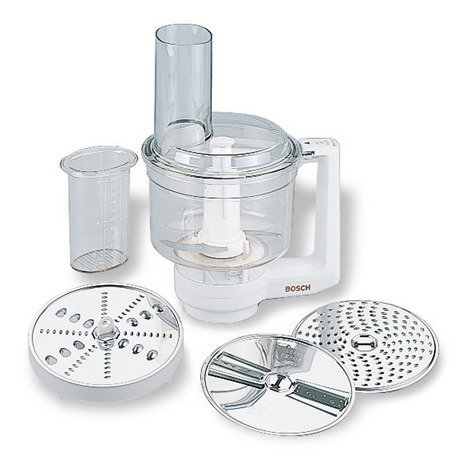
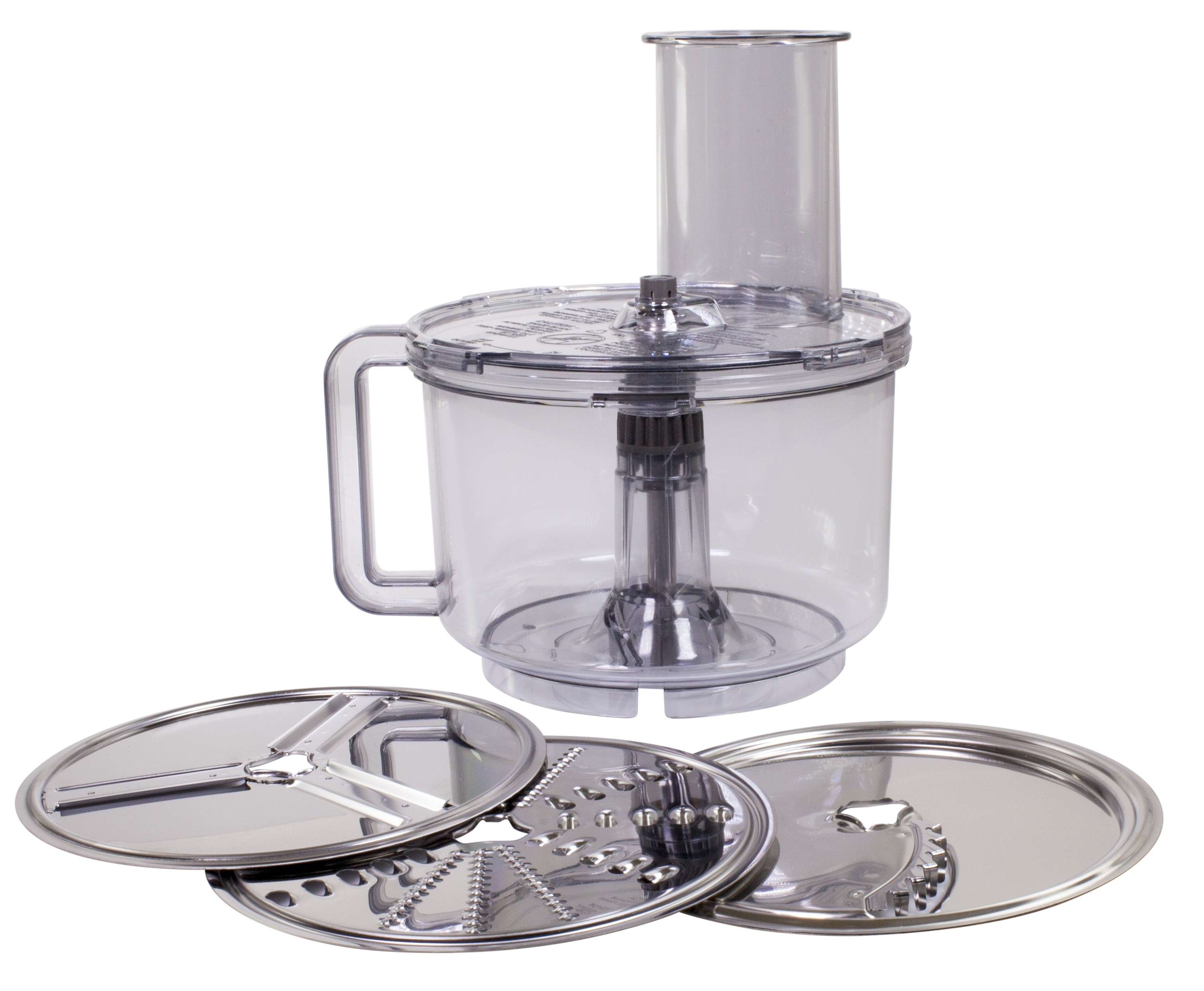
One of our favorite fillings for these Pizza Roll-Ups is this simple recipe using 2 cups of grated Mozzarella Cheese ( I use the Slicer/Shredder for the Bosch with the large grate blade to grate all soft cheeses), a drained 8 oz. can of mushrooms and a little oregano. Top the dough with the cheese and sprinkle on the oregano and add the mushrooms. Drizzle some olive oil over top and add some fine grated parmesan cheese (also done with the fine grate blade of the Slicer/Shredder). Roll up the dough and seal the ends and slice them with a knife or dental floss and let rise 1/2 hr. and bake at 350 degrees F. for 40 to 45 min..
Another Roll-Up recipe can be made with Turkey or Ham, using deli meat sliced very thin. We spread the dough out and add a light layer of Dijon mustard. We place the ham or turkey cold cuts (smoked turkey is really good) on top and sprinkle with 2 cups of Swiss Cheese. Drizzle a little olive oil and sprinkle lightly with oregano. Roll up and proceed the same way as above. This one really mimics the flavours of a a good h am and cheese sandwich.
You can also try this recipe for Stromboli bread or pizza bread that has a some spinach added for more nutrition. For a variation to your Savory Roll-ups try this Turkey Sausage Roll-up or my personal favorite Spinach and Cheese Stuffed Roll-Ups. Like I said earlier, be creative and I am sure you can come up with a combination that will please even the most discerning member of your family. |
posted by Carol or Pam Stiles at 5:30 am - 0 comments |
|
|
Sticky Buns and Sweet Rolls |
Saturday, February 2, 2013 |
Sticky Buns and Sweet Rolls or How To Satisfy Your Inner "BUNHEAD"
Fancy sweet rolls and buns are always a hit with the breakfast crowd or even the snack crowd around our home. They are amazing served warm on a cold winter morning. Nothing says lovin" as some wholesome bread mixed with some extra sweetness like frostings, or syrups or nuts. The beauty of the rolled dough is that we can make some interesting shapes with the buns (like heart-shaped or a Christmas tree) as well as changing the recipe for the insides to make the same recipe of bread dough taste completely different by adding a different filling. If you are a "BUNHEAD" (someone with a cinnamon bun addiction) or you have one or two in your family, try some of these great ideas for Rolled Sweet Buns.
First of all when making rolled buns you need to select a good dough. Many times we use are basic 100% Wheat Bread dough and just make buns with some of the excess. The best dough for rolled buns usually have some eggs in it which make it lighter and richer in texture. Our Basic Sweet Dough recipe is also made with whole wheat flour but uses 4 eggs and is a good roll-making dough and turns out much fluffier than the regular bread dough recipe. Another good dough recipe for rolls is this Creamy Wheat Cinnamon Roll recipe that uses part white flour and milk as well as the eggs, to make a great smooth dough that is rich tasting. We also have a Basic White Bread recipe here that also can be used for not-so-healthy family members that insist on white bread only.
Once the dough has been made in the Bosch Universal Kitchen Machine, you can take it right out of the machine and start shaping your rolled buns. When shaping the bread, roll one loaf's worth of dough into a big rectangle. The basic cinnamon buns just have melted butter brushed on the rectangle of dough with about 1/2 to 3/4 cup of brown sugar sprinkled generously on top and 1 to 1 /2 Tbsp. of cinnamon sprinkled on top of that-chopped walnuts too, and a few raisins if you like. Roll up jelly-roll fashion, sealing the end well. Now, using a loop of dental floss or strong thread cut into the roll by crisscrossing the floss and pulling as seen in the picture. Arrange comfortably close together on a greased baking pan, and let rise in a warm place until very soft. Bake at 350 degrees F. for about 20 min. to 40 min. until nicely brown. Thin rolls will only take about 20 min. and big puffy ones about 40 min. To make the heart-shaped buns picture, just roll the buns half way from each side and then cut. (perfect for your favorite valentine)
Techniques for Making Great Sweet Rolls:
-
Be careful to let the rolls rise until they have all their volume, a very soft dough.
-
Increase the quantity of the frosting and the fillings by 15 to 20%. It’s hard to have too much.
-
Roll the dough out until it is 1/4 to 3/8-inch thick. We know that makes the dough a little tougher and not as fluffy as rolls rolled to 1/2-inch thick. But people don’t care; they want lots of filling between thin layers of bread.
-
Try applying the butter and sugar filling in three ways: cutting the butter into the cinnamon sugar with a pastry knife, creating a slurry with melted butter and sugar and spreading the slurry on the dough, and brushing the dough with melted butter and then the cinnamon and sugar. We liked the last. We heated the butter in the microwave until just melted and then spread it edge to edge on the rolled out dough. We sprinkled the cinnamon sugar over the melted butter and used the pastry brush to make sure that it was evenly distributed. This provided the best distribution of filling between the layers with less melting out to the bottom of the pan.
The richness of the roll, how many coils the spiral has, how big it is, and how many you get---all these depend on your whim. If you roll the dough very thin and use lost of goodies, you can rapidly approach candy. Big tender light rolls with a single graceful swirl of cinnamon my be just as appealing at the breakfast table, and a whole lot less reprehensible nutritionally.
Swedish Tea Ring
You can make a Swedish Tea Ring by using the same roll but don't slice the individual rolls. Instead join the ends together to make a circle and place in a greased 10"or 12" round pan that is sprinkled with part of the following carmel bottom recipe. With a clean pair of scissors, cut from the outside of the ring, almost to the center at 1 1/2" intervals. Turn each section cut side up all around the ring. Let rise until double and bake at 350 degrees F. for about 20 to 30 min. until golden brown. Remove from the pans immediately and when it is cool you can ice it and sprinkle it with chopped nuts.
Another Carmel Bun recipe for Cinnamon Buns that you can put in the bottom of any of the sweet buns you make is cooked for one minute on the stovetop in a saucepan. Pour it into the baking pans and sprinkle nuts, cherries or raisins over the sauce and then place the unbaked rolls over it and let them rise and bake. When finished baking, invert the rolls immediately onto a plate with the gooey-ooey sweet carmel on top. YUM!
Carmel Cinnamon Bun Filling: Cook for one min. and then pour onto baking sheets and add rolls.
- 2 cups brown sugar
- 1/3 cup milk
- 1 Tbsp. vinegar
- 1/2 tsp. vanilla
- 4 Tbsp. corn syrup
- 1/2 cup margarine or butter
- 1/3 tsp. salt
Poppy Seed Rolls are a favorite in Europe and many of the sweet pastries have poppy seed fillings. Try this filling for a great change of pace and a not-too-sweet roll
Poppy Seed Filling: Mix and cook on low until thick and place on prepared dough and roll.
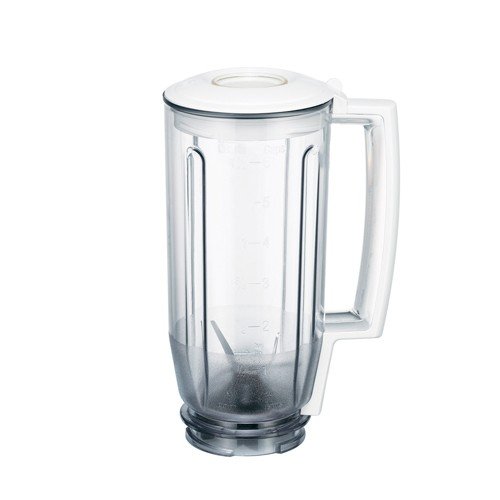
- Grind 1 1/4 cup poppy seeds in a coffee mill or your Bosch Blender Attachment
- 1 cup milk
- 2 Tbsp. butter
- 2 Tbsp. flour
- 1 cup sugar
- 1 egg
- 1/2 cup chopped raisins
Orange Sweet Rolls Experience the sweet flavor of ripe oranges in a delectable cinnamon roll. These sweet rolls are laced with a delicate mixture of orange zest and orange juice and then drizzled with a light orange frosting. You will love these rolls! Again use your choice of dough and add this scrumptious Orange Roll Filling and add a few pecan for good measure. To finish the buns give them a generous coating of this Orange Frosting.
Orange Frosting - Mix in a small bowl creaming butter until fluffy, beating in icing sugar, peel and vanilla and adding enough orange juice until frosting consistency. 1 cup
- 1/4 cup butter softened
- 2 cups confectioner's sugar
- 1 tsp. grated orange peel
- 3/4 tsp. vanilla
- 2-3 Tbsp. orange juice
|
posted by Carol or Pam Stiles at 11:20 am - 0 comments |
|
|
What Do You Do With Your Bosch Universal Plus? |
Friday, January 18, 2013 |
WHAT DO YOU DO WITH YOUR BOSCH UNIVERSAL MIXER?
We want to know how you use your Bosch machine! So click at the bottom of the blog and let us know.
We have been using and selling the wonderful Bosch Kitchen Machines now for over 30 years (We are still young at heart, but slightly older in other places) and we still are in awe of the many tasks this marvelous kitchen machine can perform. We learn something new about what it can accomplish every month. We thought we would tell you some of the things we like to do with our machines and attachments and then we would like to hear from you. We know you have had some great accomplishments with the Bosch Universal Plus or even the older Bosch models that just keep going and going, and we would like to hear about these experiences. We hope this will give you some more ideas of what you can do with your Bosch.
Okay we will go first! With the Bosch Basic Mixer with the whips and dough hook.we have:
- Made every kind of bread and buns we can think of ( we were going to say "known to mankind" but we thought we would be a little more conservative)
- whipped a 1/4 cup of whipping cream
.jpg)
- made 6 cake mixes at one time
- mixed 3 batches of gingerbread for gingerbread houses at once
- whipped a gallon of royal icing for those gingerbread houses in a single go.
- mixed 4 batches of ground beef and pork meat at once to make, meatball, meatloaf, and burgers
- shredded cooked chicken for enchiladas or casseroles with the whips (has to be cooked and hot )
- shredded pulled pork with the whips
- mashed up to a 4 quarts of potatoes (only for 5 to 10 second or you'll get mushed potatoes)
- mixed granola and muesli
- mixed dog food with the dough hook
- made tons of fondant for home made hand dipped chocolates
With the Slicer/Shredder and its mini whip and small dough hook we have:
- shredded coleslaw for 400 people

- sliced tons of bread and butter pickles
- whipped the egg yolk mixture for a sponge cake with the mini-whip
- made a single loaf of sprouted grain bread with the dough hook
- mixed a nut loaf
- grated soap for homemade laundry detergent
- made salsa with the french fry blade
- slivered almonds
- made potato pancakes and dumplings ( with the potato grating disc)
- diced vegetables for soup, stews, and salads
- diced all the vegetables for a vegetarian pizza
With the Meat Grinder attachment and some of its accessories we have: 
- made humungous amounts of sausages with the Sausage stuffers
- we haven't done this but we have had customers who have put a whole moose through in a day
- canned 16 quarts of tomato sauce through the berry press (along with applesauce, and seed-free berry jams)
- made pates, cheese balls, and sugar plums

- made vegetable marrow jam
- ground homemade dog-food
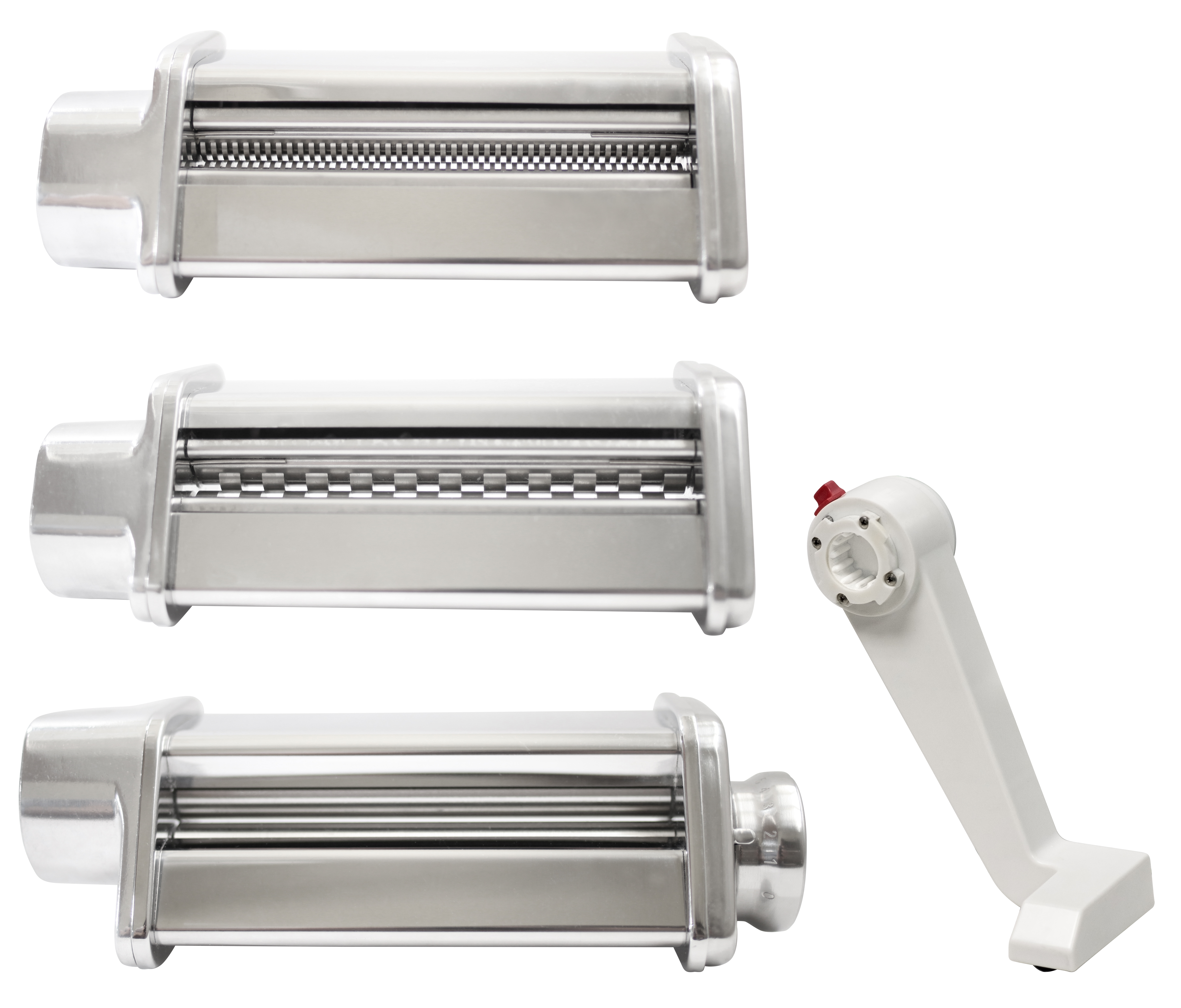
- made whole wheat pasta with the pasta maker
- made nut butters like almond butter or peanut butter (using the #2 disc)
With the Blender attachment we have:
- made hot soups creamy
- whipped cream fast (don't leave the blender while doing it)

- made snow cones for the kids
- made milk shakes with no ice cream (we use ice dropped through the top while using high speed instead)
- made fruit and vegetable smoothies
- made almond and cashew milks
- made guacamole and hummus
- made peanut butter by drizzling a little oil through the funnel while blending peanuts
- made 100's of batches of Caesar dressing
- chopped nuts and bread crumbs
- pulverized parmesan cheese to a powder (we drop a chunk through the top while it is going full speed)
- broke down our compost so it will decompose faster on the compost pile
NOW TELL US WHAT YOU LIKE TO DO WITH YOUR BOSCH KITCHEN MACHINE!
Add a comment below or email us at carol@healthykitchens.com |
posted by Carol or Pam Stiles at 5:08 am - 0 comments |
|
|
Juices vs Smoothies |
Friday, January 4, 2013 |
Juices vs Smoothies
The debate around the benefits of juices versus smoothies is endless and will never truly end. There are die-hards on either side of the fence, but everyone agrees that the extreme health benefits of consuming these nutrient dense drinks are not up for debate.
Making a choice between the two (or not!) is personal. In my own experience, I prefer smoothies, simply because they keep me feeling fuller for a longer period of time.
The purpose of todays blog is to share some of the advantages of both Juicing and Smoothie making as well as share a couple of tasty recipes.
Just a few of the Advantages of Juicing:
- Faster absorbtion of nutrients
- Provides MORE fruit and vegetables EASILY
- Promotes varied intake of fruit and vegetables
- Nutrient dense
- Cleans liver
- Wards off depression
- Helps slow down aging
Just a few Advantages of Smoothies
- Adding yogurt, whey or milk can turn a smoothie into an easy meal replacement
- Stabilizes blood sugar and energy (because of the fibre content)
- Fills you up
- Promotes regularity
- Promotes weight loss (keeps you fuller for longer)
- Nutritious
- Cheaper than juicing (as it uses less fruit and veg)
Making Juice:
Juices are made by extracting the fibre from fruits and vegetables. Wash fresh fruit and vegetables and put them through your juicer according to the manufacturers instructions. We favour the Coway Juice Presso by LEquip because It can extract more juice from all kinds of fruits and vegetables including, berries, citrus fruits and wheat grasses and sprouts while leaving the pulp drier than regular pulp ejector juicers. For more information about the great Coway Juice Presso - Click Here
Making Smoothies:
The RPM Professional Blender by LEquip is a high speed blender that grinds and liquefies with a pulpy residue. Adding water to the smoothie can make is easier to drink. For vegetable smoothies, adding a little fruit can sweeten the taste (Avoid making smoothies with high sugar content, only use small amounts of fruit). Simply add the vegetables and fruit to your blender and turn it on...add water, blend and serve...easy! Fore more information about the LEquip RPM Professional Blender - Click Here
Spinach, Apple and Carrot Juice (a simple, fresh green smoothie)
Pour lemon juice into bottom of glass with ice. Place spinach, carrots and apple in juicer. Juice into glass. Top off glass of juice with equal amounts of water. Add sweetener, stir and serve immediately. If you want the juice sweeter, add the other half of the apple to the juicer.
Avocado and Pear Smoothie (think good fats!) - makes 4 servings
- 1 ripe and firm avacado
- 1/2 cup silken tofu
- 1 ripe pear (chopped)
- 1/2 cup water
- 2 T honey
- 1/2 t vanilla extract
- 2 cups ice cubes
Cut avacado in half, remove pit, scoop flesh into blender. Add tofu, pear, water honey and vanilla. Puree until smooth, add ice, puree again until smooth
Also, check out our recipe section for other great smoothie recipes - Click Here
|
posted by Carol or Pam Stiles at 6:00 am - 0 comments |
|
|
Healthy Appetizers |
Monday, December 17, 2012 |
MAKING HEALTHIER APPETIZERS
We all like to over-indulge a little during the holiday season, with all the parties, events, and dinners we are invited to at this time of year. If you plan to have a large party of your own, or just a few good friends over to share the Christmas Spirit, can I suggest a few really good healthier recipes for appetizers that will not only please you but even the most discriminating, non-healthy guest you may be entertaining. It takes a little creativity to take a very high fat recipe and change the way it is prepared and cooked to make it a little healthier. I am also going to include a few recipes that are just plain indulgent as well, after all it is the holiday season with Christmas and New Years fast approaching. Many of these appetizers can be prepared in advance so that they don't have you frazzled at the last minute getting everything together. We will also make good use of vegetables and whole grain flours and suggest some alternate ways of cooking the food, rather than deep frying.
Here are some really colourful and tasty tidbits made with vegetables. These Calabrese Salad picks are easily made using cherry tomatoes (red or yellow) either left whole or cut in half (which I find easier to work with), and threaded on a toothpick with a cube or coin shape of mozerella cheese and a small leaf of basil. Drizzle a little white Balsamic Vinegar (which has no colour) or regular Balsamic over the skewers for the unmistakable Calabrese taste.
Using vegetable crudits or sticks and slices is very popular and also very healthy but it is the dips that we use with them that are a little high in fat. Many of them have mayo or sour cream bases. You can substitute a greek-style yogurt in place of the may and get an equally delicious dip for your fresh vegetables. You can try out our Homemade Ranch dip recipe here for a both the regular and the healthier version of this recipe.
Using a whole wheat Bread bowl and either whole grain bread cubes or crackers, this delicious Cold Spinach dip can also have the Greek-Style yogurt substituted in place of the mayo. Click here for that printable recipe.
For a hot appetizer with vegetables, that is sure to make a hit, try these Oven-Fried Zucchini Sticks. We cut the zucchini is 3 to 4" lengths and then cut the zucchini in thirds lengthwise to make the sticks. Using 2 egg whites that are slightly beaten with 1 Tbsp. hot water, and 1 cup of your choice of flour in a Ziploc bag,( we use 1 cup fresh milled whole wheat flour), we dip the zucchini sticks in the egg and then the flour bag where we shake them with several others. Place the coated sticks on a baking sheet with silpat or parchment paper and spray lightly with Vegalene or your favorite cooking spray. Bake at 475 degrees F. in a pre-heated oven for 10 min and then turn over and re-spray with the Vegalene and bake 10 more minutes. Easy to make and delicious to eat!!! Click here for the printable recipe.
You can also "oven fry" your own hot wings recipe to make a delectable treat for your guests or even just your family. These are prepared very similarly to the Zucchini Sticks but are basted with a hot sauce while they are baking to give them the HOT wings touch. We also have included a Blue Cheese dip that are a little lower in fat but you can also use the Ranch dip mentioned above for dipping your hot wings. Click here for the Baked Buffalo Wing Recipe.
Another one of our favorites that is also a hot appetizer (just in temperature not in taste) and very easy to make, is Stuffed Mushrooms. You use a low fat spicy sausage and low fat cream cheese to make them with our L'Equip Stick blender's food processor. After stuffing the mushroom caps you place them under the broiler (we sometimes sprinkle them with a little grated parmesan) for a f ew min. and they are done. Click here for the Stuffed Mushroom Recipe.
For a real great presentation as well as a real great taste, try these easy to make Chicken Salad Wonton Cups. These are quickly made with store-bought wonton wrappers that are browned in a muffin tin and filled with a healthy Chicken Salad. The Chicken salad is easily prepared using your BRK pressure cooker and the Bosch Universal Plus mixer with the whips to shred the cooked chicken in seconds. Add a few other healthy ingredients like grapes and peacns and mix lightly and then fill the cups and you are done. Easy as pie! Click here for the printable Chicken Wonton Cups recipe.
Another crowd-pleaser is our Herbed cheese log. Now this is not necessarily l ow in fat but it sure is good! We usually only make it once a year and try to include whole grain crackers for spreading. It is made with our Bosch Universal Meat Grinder attachment which creams the cheddar cheese and cream cheese together along with grinding the walnuts and onions that are incorporated into the log. Saran wrap is used to shape the log before it is chilled for a couple of hours and then rolled in the chopped parsley, spices and chopped nuts. Click here for a printable Herbed Cheese Log Recipe.
We hope these helpful ideas and recipe suggestions will help your next get-together to be a great success and yet be a little heathier than the regular Christmas fare you are offered at parties. If you have any suggestions or ideas on this topic we welcome the feedback. We wish you all a wonderful holiday season with your family and friends. |
posted by Carol or Pam Stiles at 5:18 am - 1 comments |
|
| Mary said... |
Friday, December 28, 2012 @ 8:38 pm |
| Calabrese was great! |
|
|
|
|
|